Designing Future Visions with Ager's Age Transformation
Ager offers architects and urban planners the ability to visualize age progression in community planning. This AI tool simulates how a community's population may age, aiding in design and resource planning.
Designing Future Visions with Ager's Age Transformation
In the realm of urban planning and architecture, envisioning the evolution of a community over time is crucial. Ager, the AI-powered age transformation tool, introduces a transformative approach by allowing planners and architects to simulate the age progression of a population. This capability aids in designing spaces that accommodate future demographic shifts and enhance community sustainability.
The Challenge of Planning for a Dynamic Population
Urban planners and architects often face the challenge of predicting how a community's demographics will change over decades. This is critical for designing infrastructure that adequately meets future needs, such as schools, healthcare facilities, and recreational areas.
Traditional methods rely on statistical data and projections, which can be abstract and difficult to translate into tangible design choices. Ager bridges this gap by offering a visual representation of these changes, enabling more informed and inclusive community planning.
How Ager Solves the Problem
By leveraging Ager’s age transformation technology, planners can create visual projections of community spaces populated by their future inhabitants. Here's how Ager proves to be invaluable:
- Realistic Visualization: Ager generates age-progressed images of individuals, painting a realistic picture of a community's demographic future.
- Community Engagement: Visual aids created by Ager can be used to engage with community members, allowing them to see potential changes and provide input on future developments.
- Strategic Resource Allocation: Simulating age progression helps planners allocate resources effectively by predicting which facilities will need expansion or modification.
Concrete Scenario: Designing an Age-Inclusive Park
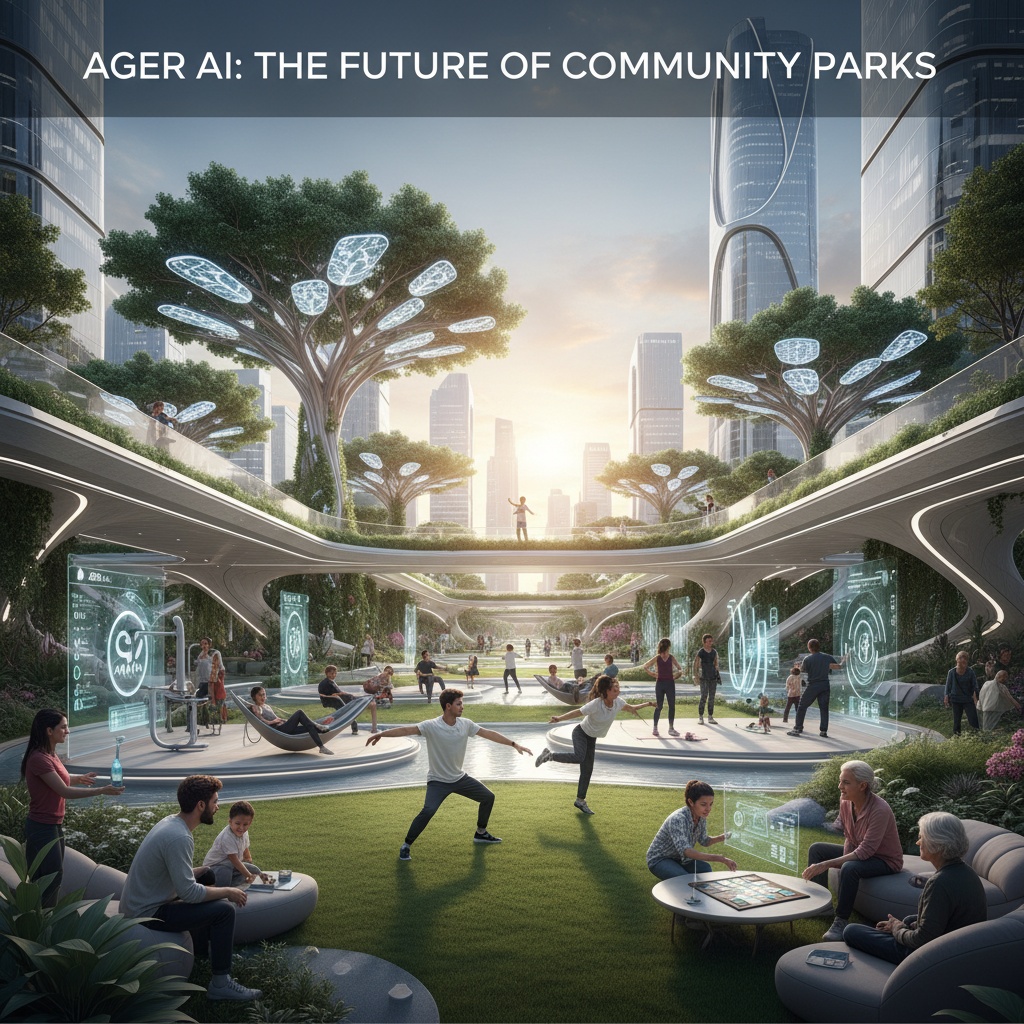
Consider a scenario where an urban planner is tasked with designing a public park that remains relevant and functional over the next 50 years. Using Ager, the planner can visualize the park frequented by current residents aged 20-30, then simulate how these individuals will look and interact with the space as they age over the years.
This foresight allows the planner to incorporate design elements that cater to different age groups, such as:
- Accessible walking paths for older adults.
- Play areas that can be easily modified for different age groups.
- Rest areas strategically placed for easy access.
Ultimately, Ager assists in creating a park that serves the 'now' and adapts to the 'future', ensuring longevity and versatility.
Practical Tips for Using Ager
- Start Small: Use Ager to test how small community spaces might evolve before applying insights to larger projects.
- Use Diverse Models: Incorporate a variety of demographic models to see a comprehensive range of potential outcomes.
- Engage Stakeholders: Use Ager's generated images in presentations to engage stakeholders and community members, gathering valuable feedback.
With Ager, urban planners have a powerful ally in visualizing and planning for the fluidity of age within communities. Empowered by this technology, designers can visualize the future and prepare spaces to be functional and welcoming for generations to come.
